

The term internetchicks can be confusing because it appears in several different contexts across the web. Some people use “internet chicks” as an informal phrase for women who are active, visible, or influential online. In other searches, internetchicks refers to a specific website or domain. These uses should not automatically be treated as the same thing.
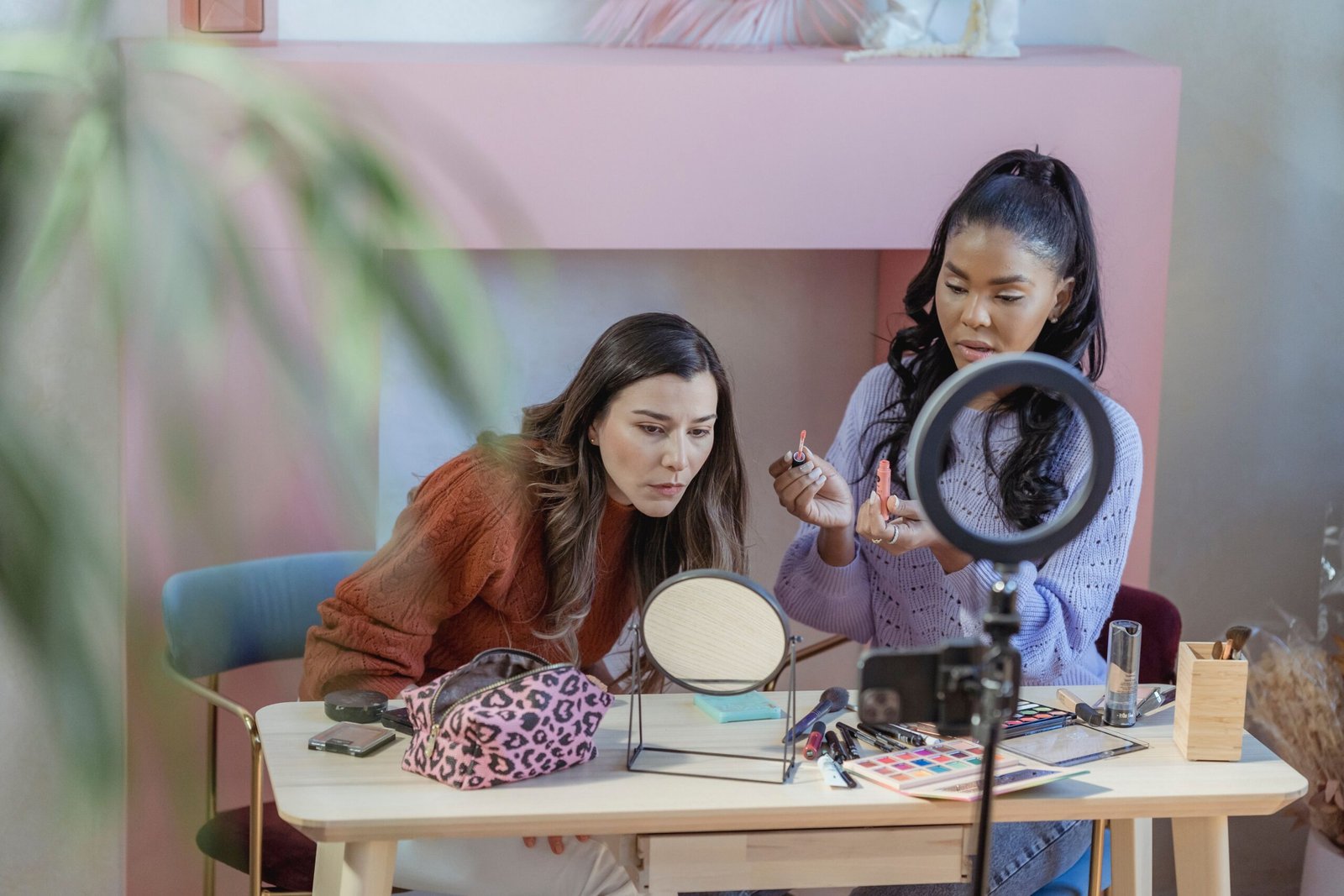
Today, women can build audiences through YouTube, Instagram, TikTok, Twitch, podcasts, newsletters, blogs, online businesses, and many other digital platforms. They can become educators, entertainers, entrepreneurs, artists, streamers, writers, or community leaders without following the traditional media route.
At the same time, searching for an unfamiliar website requires some caution. Similar names can lead users to unrelated destinations, and security warnings may apply to a particular domain rather than to the broader phrase. Understanding the difference is therefore important.
What Does Internetchicks Mean?
Internetchicks is not a formal profession, organization, or universally recognized industry category. In casual internet language, “internet chicks” can refer to women who have developed a noticeable presence online. Depending on the context, this could include social media creators, influencers, streamers, bloggers, entrepreneurs, gamers, educators, or other digital personalities.
The phrase is informal, and the word “chicks” can sound overly casual or dismissive to some people. In professional writing, terms such as women creators, female content creators, digital entrepreneurs, online personalities, or women in digital media are usually more specific.
The broader idea, however, is easy to understand. The internet gives individuals the ability to publish content directly to an audience. A creator no longer necessarily needs a television network, magazine, record label, or traditional publisher before people can discover their work.
That shift has created an enormous range of online careers. One creator might make educational videos, another might stream video games, while another might operate an online store through social media. The common element is a meaningful digital presence rather than a particular subject or platform.
It is also important not to assume that every woman with a social media account belongs to this category. Millions of people use social platforms privately or casually. A professional creator usually has a more deliberate approach to publishing, audience development, community management, or business activity.
Why Are Women So Visible in Online Culture?
The internet has lowered many of the traditional barriers to publishing. A smartphone, basic editing software, and an internet connection can be enough to start producing content. This has made digital media accessible to people who previously might not have had a route into broadcasting or publishing.
Women participate across virtually every major online category. Fashion, beauty, fitness, gaming, technology, education, finance, comedy, food, travel, music, books, business, and lifestyle are only a few examples.
The most successful creators often combine several skills rather than relying on appearance or personality alone. They may need to understand video production, writing, photography, search optimization, community management, analytics, branding, partnerships, and customer communication.
This is one reason the creator economy is more complicated than simply gaining followers. A large audience can provide visibility, but sustainable digital work usually depends on creating something people find useful, entertaining, interesting, or worth returning to.
Community is another important factor. A creator with a smaller but highly engaged audience can sometimes develop stronger relationships than an account with a much larger audience that receives little interaction.
For audiences, this means the value of a creator should not be measured solely by follower counts. Originality, consistency, expertise, entertainment value, trust, and the quality of interaction can all matter.
How Internetchicks Build an Online Presence
Building an online presence generally begins with choosing a clear subject or identity. A creator does not necessarily need to stay in one narrow niche forever, but having a recognizable focus makes it easier for new visitors to understand what they can expect.
For example, a technology creator might publish product explainers, software tutorials, and practical tips. A travel creator could combine destination guides, photography, hotel reviews, and travel planning. A fitness creator might focus on workouts, training education, recipes, and lifestyle content.
Consistency is another major part of digital publishing. This does not necessarily mean posting every day. A realistic schedule that a creator can maintain is usually more useful than an ambitious schedule that quickly becomes exhausting.
Creators also need to understand how individual platforms work. A long educational YouTube video requires a different approach from a short TikTok video. Instagram Stories can encourage direct interaction, while newsletters provide a more controlled communication channel.
Analytics can help creators understand what their audiences actually respond to. Metrics such as views, watch time, engagement, clicks, returning visitors, and conversions can reveal patterns that are difficult to identify from intuition alone.
However, analytics should support creativity rather than completely replace it. Chasing every viral trend can make an account inconsistent and may attract an audience that has little interest in the creator’s long-term subject.
Where Do Internet Creators Build Communities?
There is no single platform that defines the world of internetchicks. Different creators use different combinations of services depending on their audience and content format.
Instagram is widely suited to visual content, short videos, Stories, photography, brand communication, and community interaction. It can be particularly useful for creators whose work depends on visual identity.
TikTok focuses heavily on short-form video and discovery. Its format can help new creators reach viewers who do not already follow them, although visibility can change as platform systems and audience behavior change.
YouTube supports long-form videos, Shorts, educational material, entertainment, reviews, tutorials, podcasts, and many other formats. It can also provide a useful archive of content that remains discoverable after publication.
Twitch and similar livestreaming services are particularly relevant to creators who want real-time interaction. Gaming is an important category, but livestreaming can also cover music, creative work, conversation, education, and other activities.
Newsletters and independent websites give creators another important option. Instead of depending entirely on a social platform, a creator can develop an audience through email subscriptions, articles, products, or services.
The strongest digital presence for a particular creator may therefore involve several platforms. Social media can provide discovery, while a website, newsletter, store, or other owned channel can provide a more stable destination.
How Do Online Creators Make Money?
There is no single income model for online creators. Many people combine several sources of revenue because individual platforms, advertisers, algorithms, and audience behavior can change.
Brand partnerships are one common model. A company may pay a creator to produce sponsored content or feature a product. When commercial relationships exist, creators should follow the disclosure rules that apply in their country and platform.
Affiliate marketing is another model. A creator may receive a commission when an audience member purchases something through a qualifying link. Clear disclosure helps audiences understand when a recommendation has a commercial component.
Creators may also sell their own products and services. These can include digital downloads, courses, memberships, consulting, merchandise, books, software, artwork, coaching, or physical products.
Advertising revenue is another possibility, particularly on video and publishing platforms. The amount earned can vary considerably depending on audience location, content category, advertiser demand, platform rules, and other factors.
Some creators also use subscriptions or memberships. Instead of relying exclusively on advertising, they offer paying members additional content, community access, livestreams, newsletters, or other benefits.
The important point is that an audience does not automatically equal income. A creator needs a sustainable business model, appropriate products or partnerships, and a relationship with an audience that is strong enough to support those activities.
Is Internetchicks.com Safe to Visit?
This question requires a distinction between the internetchicks search term and the specific internetchicks.com domain.
Current security information from ThreatDown, the Malwarebytes security product line, states that internetchicks.com was blocked by Malwarebytes because it was associated with riskware. ThreatDown says the domain has been associated with pages that use explicit content to promote potentially unwanted programs, adware, and fraudulent sites.
That is a specific security warning about the domain. It should not be interpreted as a claim that every website, social account, or article using the words “internet chicks” is malicious.
Because web content and domains can change, users should still exercise normal caution when encountering an unfamiliar site. A security warning is a reason to avoid bypassing browser or security software protections simply to access a page.
Never install software because an unfamiliar website tells you that an update is required. Be especially careful with pop-ups claiming that your computer is infected, browser extensions you did not request, unexpected download prompts, or pages that suddenly redirect you to another website.
It is also sensible to avoid entering passwords, payment details, identity documents, or other sensitive information into an unfamiliar site unless you have independently verified who operates it and why the information is required.
Search results alone are not proof that a website is legitimate. A polished design, high search position, HTTPS certificate, or large amount of traffic does not by itself establish trustworthiness.
Internetchicks FAQs and Final Thoughts
What does internetchicks mean?
Internetchicks can be used as an informal phrase for women who are active or recognizable online, including creators, influencers, streamers, entrepreneurs, and other digital personalities. It can also refer to a specific website domain, so context is important.
Is internetchicks an official profession?
No. Internetchicks is not a formal job title or professional category. More precise terms include content creator, influencer, streamer, digital entrepreneur, online educator, or social media personality.
What platforms do internet creators use?
Creators can use Instagram, TikTok, YouTube, Twitch, podcasts, newsletters, blogs, websites, and many other services. The appropriate platform depends on the content, audience, and goals of the creator.
Can women make a career from online content?
Yes. Potential revenue sources include advertising, sponsorships, affiliate marketing, subscriptions, memberships, digital products, physical products, consulting, services, and platform monetization. Income varies widely and is not guaranteed.
Is the phrase “internet chicks” professional?
Generally, it is better treated as informal internet language. The word “chicks” can feel casual or disrespectful depending on the audience and context. Professional terms such as women creators or female content creators are usually clearer.
Is internetchicks.com the same thing as the phrase internet chicks?
Not necessarily. The phrase can describe online culture and women creators, while internetchicks.com is a specific domain. Users should not assume that similarly named websites or social profiles are connected.
Final Thoughts
The search term internetchicks illustrates how quickly internet language can develop multiple meanings. In one context, it can describe women who create, publish, entertain, teach, or build businesses online. In another, it may point to a particular website.
The creator-culture meaning reflects a much broader change in digital media. Women can now publish directly to audiences, develop communities, launch businesses, and build careers without depending entirely on traditional media organizations.
At the same time, online independence comes with responsibilities. Creators need to protect their accounts, respect copyright, disclose commercial relationships, and maintain healthy boundaries with their audiences. Visitors also need to distinguish between legitimate creator content and unfamiliar websites that may present security risks.
For anyone searching the term today, the most useful approach is simple: look at the context, verify the exact website or account, and avoid assuming that every result using the same name represents the same organization or community.








Leave a Reply