
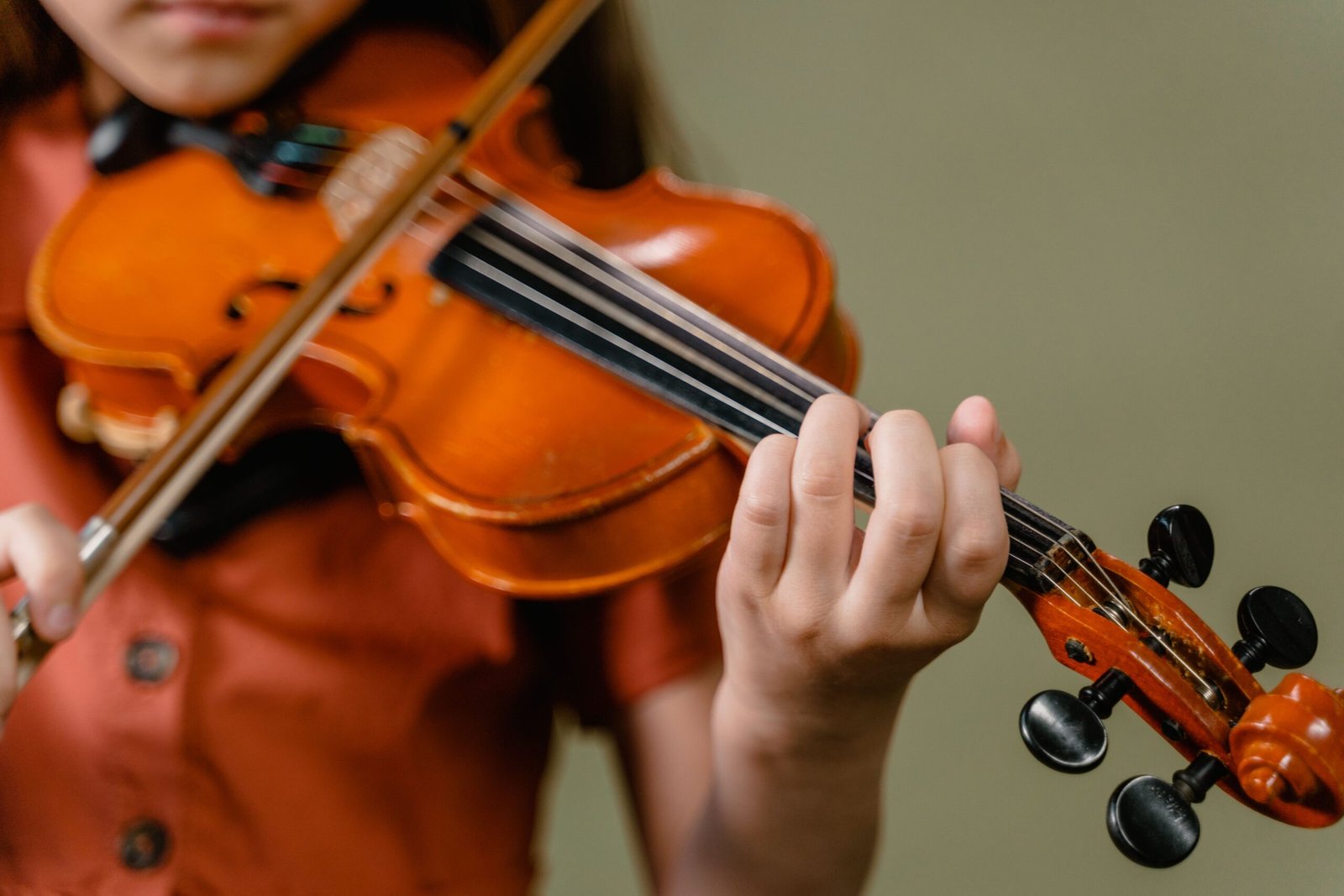
Learning to play the violin is an exciting journey. From the first clear note to the moment you play a complete melody, every small improvement brings a sense of achievement. Whether you dream of performing classical music, playing your favourite film soundtrack, joining an orchestra, or simply enjoying a new hobby, violin lessons can help you turn that ambition into a practical skill.
The violin lesson has a reputation for being difficult to learn, and there is some truth to that. Producing a beautiful sound requires coordination, patience, and regular practice. Unlike instruments with fixed keys, the violin relies on careful finger placement and controlled bow movement to produce accurate notes. However, beginners do not need natural musical talent or years of experience to get started.
With a suitable instrument, a supportive teacher, and a realistic practice routine, students can build their skills step by step. The key is to focus on the fundamentals instead of expecting perfection from the beginning.
This guide explains how violin lessons work, what beginners should expect, how to find the right instructor, and how to practise more effectively. Whether you are choosing lessons for yourself or your child, these tips can help you make a confident start.
Why Take Violin Lessons?
Online videos and music tutorials can introduce you to the violin, but structured lessons offer something more valuable: personal feedback. A teacher can observe your technique, identify problems, and suggest specific changes that help you improve.
For beginners, this guidance matters because violin playing involves several skills at once. You need to hold the instrument comfortably, move the bow smoothly, coordinate both hands, recognise notes, and maintain a steady rhythm. Trying to manage everything without guidance can feel overwhelming.
A violin teacher breaks these skills into manageable steps. Early lessons may focus on posture, holding the bow, understanding the strings, and producing a controlled sound. Once you feel comfortable with these basics, your teacher can introduce finger placement, simple melodies, music reading, and more advanced techniques.
Lessons also provide structure. Instead of wondering what to practise next, you receive clear goals and exercises suited to your current ability. Regular feedback helps you notice progress that might otherwise be difficult to recognise.
There are benefits beyond playing music, too. Learning an instrument can encourage patience, concentration, listening skills, and persistence. Students learn to work through challenges, repeat difficult passages, and celebrate gradual improvement.
Violin lessons can suit different goals and lifestyles. A child might want to explore music and participate in school performances. An adult might want a creative activity after work. An experienced musician may seek specialised coaching to refine technique or prepare for an audition.
You do not need to decide on a professional music career before beginning. A genuine interest in learning is an excellent reason to start.
How to Choose the Right Violin Teacher
Finding the right teacher is one of the most important decisions you can make when starting violin lessons. A good instructor should understand your goals, explain techniques clearly, and create a learning environment where you feel comfortable asking questions.
Start by considering the teacher’s experience. Look for someone who has taught beginners, especially if you or your child has never played an instrument. A performer with impressive musical achievements may be an excellent teacher, but performance experience alone does not guarantee that someone can explain basic concepts patiently.
Teaching style matters just as much as qualifications. Some instructors follow a structured classical method, while others combine traditional technique with popular songs, contemporary music, or a more flexible approach. Neither style is automatically right for everyone. Choose a teacher whose approach matches your interests and learning preferences.
It is also useful to ask how lessons are organised. Find out whether the teacher provides practice assignments, tracks progress, teaches music reading, and helps students prepare for performances when appropriate.
Before committing to regular sessions, consider arranging a trial lesson. This gives you an opportunity to understand the teacher’s communication style and see whether the pace feels appropriate.
Here are a few questions worth asking:
- Do you regularly teach complete beginners?
- How do you approach posture, bow control, and finger placement?
- How much practice should a new student do between lessons?
- Do you teach classical music, popular songs, or both?
- How do you measure progress and adjust the lesson plan?
- What are your fees, cancellation rules, and available lesson times?
For children, look for an instructor who can make learning engaging without overlooking technique. For adults, a teacher who respects your schedule and personal goals can help make lessons easier to maintain.
The best teacher is not necessarily the most expensive or the most highly advertised. It is someone who helps you develop good habits, understand what you are doing, and remain motivated to continue.
What to Expect From Your First Violin Lesson
Your first violin lesson is usually about establishing a foundation rather than playing an impressive piece of music. This is completely normal. Learning the correct movements early can make later progress easier and help prevent habits that become difficult to change.
Your teacher may begin by introducing the instrument and explaining the parts of the violin, including the strings, fingerboard, bridge, chin rest, and bow. Understanding these parts makes it easier to follow instructions during future lessons.
Next, you may learn how to stand or sit comfortably while holding the violin. Your teacher will help you find a stable position that does not create unnecessary tension in your shoulders, neck, or hands. Comfort matters because excessive tension can interfere with bow movement and make practice tiring.
Bow technique is another important starting point. Drawing the bow across a string may look simple, but producing an even sound requires control and coordination. Your instructor might ask you to practise short, slow bow strokes before introducing more complicated movements.
Some beginners start with open strings, which allow them to focus on sound production without worrying about left-hand finger placement. Others may learn basic rhythms, simple music notation, or the names of the strings.
If you do not play a complete song during your first session, you have not fallen behind. The purpose is to establish useful habits and understand what to practise at home.
It is also a good time to discuss your musical interests. Tell your teacher if there is a particular song, genre, or performance goal that inspired you to learn. A thoughtful instructor can incorporate your interests into an appropriate learning plan without rushing through essential skills.
After the lesson, make sure you understand the assigned exercises. Ask your teacher to demonstrate them again if needed. Clear instructions will make independent practice more productive.
Online vs. In-Person Violin Lessons
Both online and in-person violin lessons can be useful, but each format has advantages and limitations. The right choice depends on your experience, access to teachers, schedule, budget, and preferred way of learning.
In-person lessons allow the teacher to observe your posture and bow movement from different angles. Immediate demonstrations can make it easier to understand subtle adjustments, particularly during the first stages of learning. Students also benefit from playing in the same room as their teacher, without the audio delay that can occur during video calls.
This can be especially helpful for young children and complete beginners who need frequent guidance with instrument position and bow control.
Online violin lessons offer greater flexibility. You can learn from home, avoid travel time, and potentially work with a specialist who lives outside your local area. For students with busy schedules or limited access to music teachers, this can make regular instruction more practical.
However, online lessons require preparation. A reliable internet connection, suitable camera position, and clear audio help the instructor see your posture and listen to your playing. Your teacher may ask you to move the camera so that both hands and the bow are visible.
Online instruction also has limitations. Sound compression can affect how a violin’s tone comes across, and internet delay makes playing together in perfect real-time synchronisation difficult.
For some beginners, a combination works well. You might take in-person lessons while learning basic technique, then use online sessions when travel is inconvenient or when you want to study with a particular instructor.
When comparing options, focus on the quality of instruction rather than assuming one format always produces better results. A skilled teacher, appropriate feedback, and consistent practice remain essential in either setting.
How Much Do Violin Lessons Cost?
The cost of violin lessons varies considerably depending on your location, the teacher’s qualifications, lesson length, and whether you choose private tuition, group classes, or online instruction.
Private lessons generally offer individual attention. Your teacher can focus on your specific difficulties and adjust the pace to suit your progress. This can be particularly useful when learning foundational techniques, although private tuition may cost more than group sessions.
Group lessons can be more affordable and offer opportunities to learn alongside other students. They may also help beginners develop confidence playing with others. However, students usually receive less individual feedback than they would in a one-to-one session.
Online lessons have their own pricing differences. Some teachers charge per session, while others offer packages or recurring monthly arrangements. Compare what is included rather than choosing entirely on price.
Before enrolling, check whether the quoted fee covers the full lesson time, learning materials, performance opportunities, or additional support between sessions. Ask about cancellation policies and whether missed lessons can be rescheduled.
Remember that lessons are only one part of the overall cost of learning violin. You may also need an instrument, bow, rosin, a shoulder rest if appropriate, a music stand, and beginner learning materials. Instrument rental can be worth considering if you are unsure whether you will continue long term.
Avoid buying the most expensive violin simply because it is described as a professional instrument. A suitable beginner violin should be correctly sized, properly set up, and comfortable to play. A poorly adjusted instrument can make learning unnecessarily frustrating, even if it looks attractive.
A local violin teacher or reputable music shop can help you choose an appropriate instrument or rental option. When comparing lesson prices, consider the teacher’s experience, travel requirements, scheduling flexibility, and the quality of feedback you receive.
How to Practise Violin Between Lessons
Regular practice is where much of your progress takes place. A weekly lesson introduces skills and provides feedback, but practising between sessions helps turn those instructions into reliable habits.
Beginners often assume that longer practice sessions automatically produce better results. In reality, focused and consistent practice is usually more useful than playing for a long time while tired or distracted.
Start with a manageable routine. Depending on your age, experience, and teacher’s advice, you might begin with 10 to 20 minutes of focused practice on most days. Increase the duration gradually as your concentration, comfort, and technique improve.
A simple practice session might include the following:
1. Prepare your instrument. Make sure your violin is positioned comfortably and your practice space is quiet. Check that your bow and other essentials are ready before you begin.
2. Review your technique. Spend a few minutes checking posture, bow hold, and relaxed movement. Avoid forcing your shoulders or wrists into uncomfortable positions.
3. Work on a specific exercise. Practise the technique or passage assigned by your teacher. Slow repetition helps you notice mistakes and make adjustments before increasing speed.
4. Review a familiar piece. Play something you already know to reinforce confidence and musical expression. Pay attention to rhythm, tone, and accurate notes rather than rushing through the entire piece.
5. Finish with a clear goal. Identify one thing that improved and one area to revisit next time. If a passage remains difficult, make a note to ask your teacher for guidance.
Using a metronome can help develop a steady sense of rhythm. A tuner may help you check pitch, although beginners should also learn to listen carefully and follow their teacher’s instructions.
Recording a short practice session can reveal changes in sound and timing that are difficult to notice while playing. Keep recordings for comparison rather than expecting every attempt to sound perfect.
Most importantly, do not repeat a movement through pain. If playing causes persistent discomfort, stop and ask your teacher to check your posture, instrument fit, and technique.
Progress may feel uneven. You might improve quickly in one week and struggle with a passage the next. This is a normal part of learning. Consistency, patience, and useful feedback matter more than achieving a perfect performance every day.
Frequently Asked Questions About Violin Lessons
Are violin lessons suitable for complete beginners?
Yes. Beginner lessons are designed to introduce the fundamentals gradually. You do not need to read music or have previous experience. A teacher can help you learn instrument position, bow control, rhythm, and basic notes at a suitable pace.
What is the best age to start violin lessons?
There is no single ideal age for everyone. Children can begin when they are ready to follow simple instructions and handle an appropriately sized instrument with support. Teenagers and adults can also learn successfully. Interest, comfort, and consistent practice are more useful considerations than age alone.
Can adults learn violin from scratch?
Absolutely. Adults can develop violin technique through structured lessons and regular practice. Work, family, and other responsibilities may affect the time available, so setting realistic goals and choosing convenient lesson times can help.
How long does it take to learn the violin?
It depends on your goals, practice routine, previous musical experience, and the quality of your instruction. Some beginners learn simple melodies within their early months, while developing reliable intonation, smooth bowing, and expressive playing takes considerably longer. Progress is individual, so avoid comparing your first steps with another student’s years of experience.
How often should I take violin lessons?
Many learners benefit from a regular weekly lesson because it provides a consistent opportunity for feedback and new assignments. Some students may need a different schedule depending on their goals, budget, and availability. Ask your teacher what frequency makes sense for your situation.
Do I need to buy a violin before starting lessons?
Not necessarily. Some music schools and shops offer rental instruments, which can be useful while you explore the instrument. Ask your prospective teacher about sizing, setup, and suitable beginner options before purchasing one.
Are online violin lessons effective?
Online lessons can work well when the teacher is experienced with remote instruction and can clearly observe your technique. A suitable camera angle and reliable audio are important. Some beginners benefit from occasional in-person guidance, particularly when learning basic posture and bow control.
Start Your Violin Learning Journey With Confidence
Violin lessons provide a structured way to develop musical skills, improve technique, and enjoy the process of learning an instrument. Whether you are a complete beginner, a parent choosing lessons for a child, or an adult returning to music, the right instruction can make the experience more rewarding.
Begin by choosing a teacher who understands your goals and can explain the fundamentals clearly. Make sure your instrument is comfortable and properly set up, and create a practice routine that fits your daily life. Focus on posture, bow control, accurate notes, and steady rhythm before worrying about playing difficult pieces.
Remember that meaningful progress comes from small improvements repeated over time. Some days will feel easier than others, but every focused practice session can help build a stronger foundation.
You do not have to become an expert overnight. Start with a first lesson, ask questions, practise consistently, and choose music that keeps you interested. With patience and good guidance, the violin can become a rewarding part of your life for years to come.







Leave a Reply