
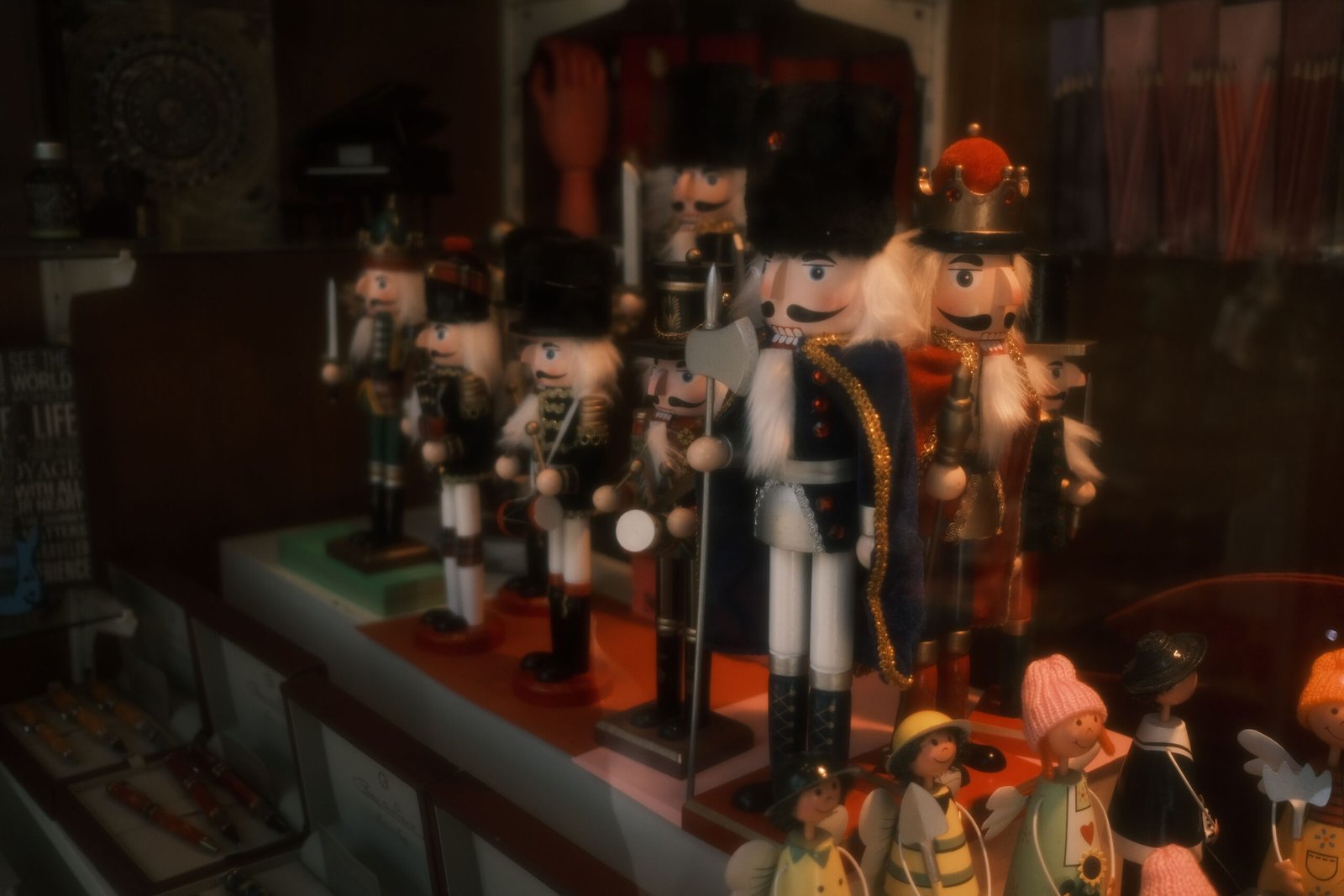
Toy theater can mean more than one thing. For many parents, students, and teachers searching online, Toy Theater refers to a website offering free educational games and interactive learning tools for elementary-aged children. The platform includes activities for math, reading, art, music, puzzles, and classroom learning. For others, toy theater means a traditional miniature stage made from paper, cardboard, scenery, and movable characters.
Both interpretations share an important idea: learning and entertainment can work together. Children can practice essential skills through interactive games, while creative activities encourage imagination, experimentation, and storytelling. Whether you are looking for a quick classroom activity, a game for home, or a hands-on craft project, understanding the different meanings of toy theater can help you find the right experience.
What Is Toy Theater?
Toy Theater is an educational website designed to make learning accessible and enjoyable for young students. Its collection includes online games, virtual manipulatives, creative activities, and practical classroom tools. According to its official website, the platform provides free educational resources for elementary-aged learners and can be used on desktop computers, tablets, and mobile devices.
Teachers can use these resources during lessons, while parents can introduce them during homework sessions or supervised screen time. Students may explore a multiplication chart, practice telling time, work with fractions, play a puzzle, or experiment with digital art. Instead of relying entirely on worksheets, children get opportunities to interact with the material and see how different ideas work.
The term also describes a traditional form of miniature theater, sometimes called paper theater or model theater. These small stages use printed scenery, paper characters, props, and movable figures to recreate stories and plays. This type of toy theater became popular in Europe during the nineteenth century and allowed families to stage performances at home.
When people search for toy theater, they may be looking for the educational website, the historical craft, or instructions for creating a miniature stage. Identifying the intended meaning is the first step toward finding useful games, activities, and resources.
What Games and Activities Can You Find on Toy Theater?
The educational Toy Theater website offers several categories of activities that support different learning goals. Some are designed to reinforce school subjects, while others focus on creativity, logical thinking, or simple entertainment. The variety makes it useful for short practice sessions as well as planned classroom activities.
Math games and interactive tools
Math resources can help children practice counting, recognize numbers, learn multiplication, understand fractions, and explore geometric shapes. Interactive tools such as fraction strips, hundreds charts, and geoboards allow students to manipulate visual representations instead of only reading explanations.
For example, a teacher introducing fractions might use fraction strips to demonstrate how one-half compares with one-quarter. Students can examine the pieces, compare their sizes, and discuss why different fractions can represent the same amount. A visual approach can make abstract concepts easier to understand, particularly for learners who benefit from practical examples.
Reading and language activities
Literacy activities can support early reading, letter recognition, spelling, and vocabulary development. Teachers may use these resources for warm-up exercises, small-group instruction, or independent practice.
Parents can also incorporate short activities into a home learning routine. A child who is practicing spelling, for instance, may benefit from a quick interactive exercise before moving on to reading a book or completing written work.
Art and music activities
Creative activities give children opportunities to experiment with colors, patterns, shapes, and sounds. These experiences can complement traditional lessons by encouraging curiosity and self-expression.
A student might explore symmetry through a drawing activity or experiment with a virtual keyboard. Teachers can use these exercises to introduce artistic concepts without needing a complete collection of physical materials.
Puzzles and classic games
Toy Theater also includes games such as chess, checkers, tic-tac-toe, dominoes, and other puzzles. These activities can encourage planning, problem-solving, pattern recognition, and strategic thinking.
The best activity depends on the child’s age, interests, and learning objectives. A younger student might benefit from a counting game, while an older elementary student may prefer chess or a more challenging puzzle.
How to Use Toy Theater for Learning
Getting started is straightforward. Visit the official website at https://toytheater.com/ and browse the available categories. Choose an activity that matches the skill you want to practice, then allow the child to explore it independently or with guidance.
For teachers, the most effective approach is to connect the activity to a clear lesson objective. If the class is learning about multiplication, select a relevant game or visual tool rather than allowing the activity to become unrelated free time. Explain the goal, demonstrate the tool when necessary, and ask students to describe what they discover.
A simple classroom routine could follow these steps:
- Introduce the learning goal. Explain the concept students will practice, such as identifying shapes or reading a clock.
- Demonstrate the activity. Show the class how the tool works and explain any important instructions.
- Allow guided practice. Give students time to explore while answering questions and correcting misunderstandings.
- Discuss the results. Ask students to explain their choices, describe patterns, or solve a related problem.
- Review understanding. Use a short question, worksheet, or discussion to check whether the activity helped students meet the goal.
Parents can use a similar approach at home. A short session of ten to fifteen minutes may be enough for one focused activity, depending on the child’s age and attention span. Afterward, ask the child what they learned or invite them to demonstrate the skill without the game.
Teachers can also display suitable activities on an interactive whiteboard or classroom projector. This makes it possible for the whole class to participate in a discussion while one student or the teacher controls the tool.
Benefits of Toy Theater for Children and Teachers
Educational games can make practice more engaging, especially when children are learning a new concept or repeating a skill they have already encountered. Toy Theater provides a collection of activities that teachers and parents can incorporate into a broader learning routine.
Encourages active participation
Children interact with games and tools rather than simply receiving information. Selecting an answer, moving a shape, or testing a strategy gives learners an opportunity to participate directly in the activity.
Supports visual learning
Charts, shapes, fraction pieces, and interactive clocks help turn abstract ideas into visual examples. These tools can be particularly useful when a child needs to see a concept represented in a different way before understanding it.
Offers variety
Switching between mathematics, literacy, art, and puzzles can help educators plan different kinds of practice. A teacher can select an activity for a particular lesson rather than relying on the same exercise every day.
Provides accessible classroom resources
The official website describes its educational activities as free to use. This can help teachers and families find additional learning resources without having to purchase a separate game for every subject. Always check the current website for any account requirements or optional paid features.
Encourages independent practice
Some activities allow children to work at their own pace. Students can explore a concept, try another answer, and build familiarity with a tool without waiting for every step to be explained by an adult.
Can support group learning
Games are not limited to individual use. Teachers can invite students to explain their strategies, compare answers, or solve problems together. These conversations can help children practice explaining their reasoning and listening to other approaches.
However, an educational website is most useful when it complements teaching rather than replacing it. Children may enjoy a game without fully understanding the concept behind it. Adults should observe how the activity is used and provide explanations or follow-up practice when needed.
Toy Theater vs. Traditional Paper Theater
Although the names are similar, the educational website and traditional toy theater are different experiences. One mainly uses interactive digital activities, while the other relies on physical materials and dramatic storytelling.
Traditional paper theater has a long history. The National Museum of Australia describes toy theater as a popular nineteenth-century form of home entertainment. Printed sheets featured stage designs, scenery, characters, and props that families could assemble and use to perform plays. The figures were often attached to sticks or wires so they could move across a miniature stage.
The Library of Congress also documents historical toy theaters as examples of how families entertained themselves before television and modern digital media became widespread.
Here is a simple comparison:
| Feature | Online Toy Theater | Traditional Paper Theater |
|---|---|---|
| Main purpose | Educational games and interactive activities | Storytelling and miniature performances |
| Materials | Computer, tablet, or compatible device | Paper, cardboard, scissors, glue, and craft supplies |
| Common activities | Math, reading, puzzles, art, and classroom tools | Acting, moving characters, changing scenery, and narrating stories |
| Learning opportunities | Academic practice and interactive exploration | Creativity, language, construction, and dramatic expression |
| Best suited for | Digital learning sessions and classroom activities | Hands-on crafts and imaginative play |
Neither option has to replace the other. A child could use an online activity to practice reading, then create a paper theater to act out a story. This combination connects digital learning with physical creativity and communication.
How to Make Your Own Toy Theater at Home
Creating a traditional toy theater is an enjoyable craft project for families, teachers, and children who like building things. You do not need expensive equipment or professional artistic skills. A simple stage made from cardboard can provide plenty of room for imagination.
Materials you will need
- A sturdy cardboard box or thick cardboard sheets
- Plain paper or printed character templates
- Colored pencils, crayons, or markers
- Child-safe scissors
- Glue or tape
- Craft sticks or paper strips for moving characters
- Extra paper for backgrounds, props, and scenery
Step 1: Build the stage
Use a cardboard box to create a small stage with an open front. Leave enough space behind the opening for the characters and scenery. An adult can help with cutting thicker cardboard and making any structural adjustments.
Step 2: Design the background
Draw a setting for the story, such as a forest, castle, classroom, city street, or underwater world. You can make several backgrounds so the scene can change during the performance.
Step 3: Create the characters
Draw people, animals, or imaginary creatures on paper. Color them, cut them out, and attach each figure to a craft stick or folded paper support. Younger children should have adult supervision when using scissors and other craft tools.
Step 4: Write a short story
Start with a simple plot that has a beginning, a problem, and an ending. A lost animal finding its way home or a traveler discovering a hidden garden can work well for a first performance. Let children choose the characters and decide how the story develops.
Step 5: Rehearse and perform
Move the figures across the stage while narrating the story or speaking the characters’ lines. Add simple sound effects, music, or a handmade curtain if you wish. Invite family members or classmates to watch the finished performance.
This activity can support storytelling, vocabulary, sequencing, cooperation, and creative problem-solving. It also gives children a project they can build on over time by adding new characters, settings, and episodes.
Is Toy Theater Safe and Suitable for Kids?
Toy Theater’s official website describes its resources as educational games for elementary-aged children and presents them as free learning tools. As with any online platform, parents and teachers should still decide whether individual activities are appropriate for a particular child’s age, needs, and circumstances.
Before a child begins, open the selected game and review its content. Check whether it includes external links, optional features, instructions that require reading, or anything that might confuse a younger learner. Website features and policies can change, so review the current site rather than assuming every activity works exactly as it did previously.
It is also sensible to supervise younger children during online activities, use appropriate device privacy and security settings, and establish reasonable screen-time limits. Balance digital games with reading, outdoor play, conversation, physical movement, and hands-on activities.
For traditional paper theater, the main considerations are age-appropriate craft materials and safe construction. Adults should help with sharp tools, supervise younger children, and ensure that small pieces are suitable for the child’s age.
The goal is to make the activity enjoyable and useful. A well-chosen game or craft can be a valuable addition to a child’s routine, but it should support broader learning and play rather than become the only activity available.
Frequently Asked Questions About Toy Theater
Is Toy Theater free to use?
The official Toy Theater website describes its educational games and activities as free. Its membership site also mentions optional paid membership features for teachers. Check the current terms for details about specific features.
What age group is Toy Theater designed for?
The website describes its resources as educational games for elementary-aged children. Suitability depends on the individual activity and the child’s reading, mathematics, and digital skills.
What subjects can children practice on Toy Theater?
The collection includes mathematics, literacy, art, music, puzzles, and games. It also features interactive classroom tools, such as charts and timers.
Can teachers use Toy Theater in the classroom?
Yes. Teachers can use suitable games and interactive tools for demonstrations, group activities, individual practice, and short lesson reviews. The activity should match the lesson objective.
Does toy theater also refer to paper puppetry?
Yes. Traditional toy theater, also called paper theater or model theater, uses miniature stages, printed scenery, and movable characters to perform stories. It became popular in nineteenth-century Europe.
How can I make a toy theater at home?
You can create a simple stage from a cardboard box, draw paper characters and backgrounds, attach the figures to sticks, and perform a short story. Adult supervision is recommended when children use scissors or other craft supplies.
Is Toy Theater suitable for home learning?
It can be a useful supplementary resource for supervised home learning. Parents can select activities related to schoolwork, help children when needed, and follow up with discussion or practical exercises.
Final Thoughts
Toy theater offers two appealing ways to combine learning and imagination. The online platform gives children access to educational games, interactive math tools, creative activities, and puzzles. Traditional paper theater encourages hands-on construction, storytelling, and performance.
For parents and teachers, the best approach is to choose activities with a clear purpose. Use online games to reinforce a skill, encourage children to explain what they learn, and balance screen time with practical projects. If you want an activity that brings the whole family together, building a miniature paper stage can turn an ordinary afternoon into a creative performance.
To explore the digital resources, visit the official website at https://toytheater.com/. Start with one activity that matches your child’s interests, observe how they respond, and build a learning routine around curiosity, practice, and play.


Leave a Reply