
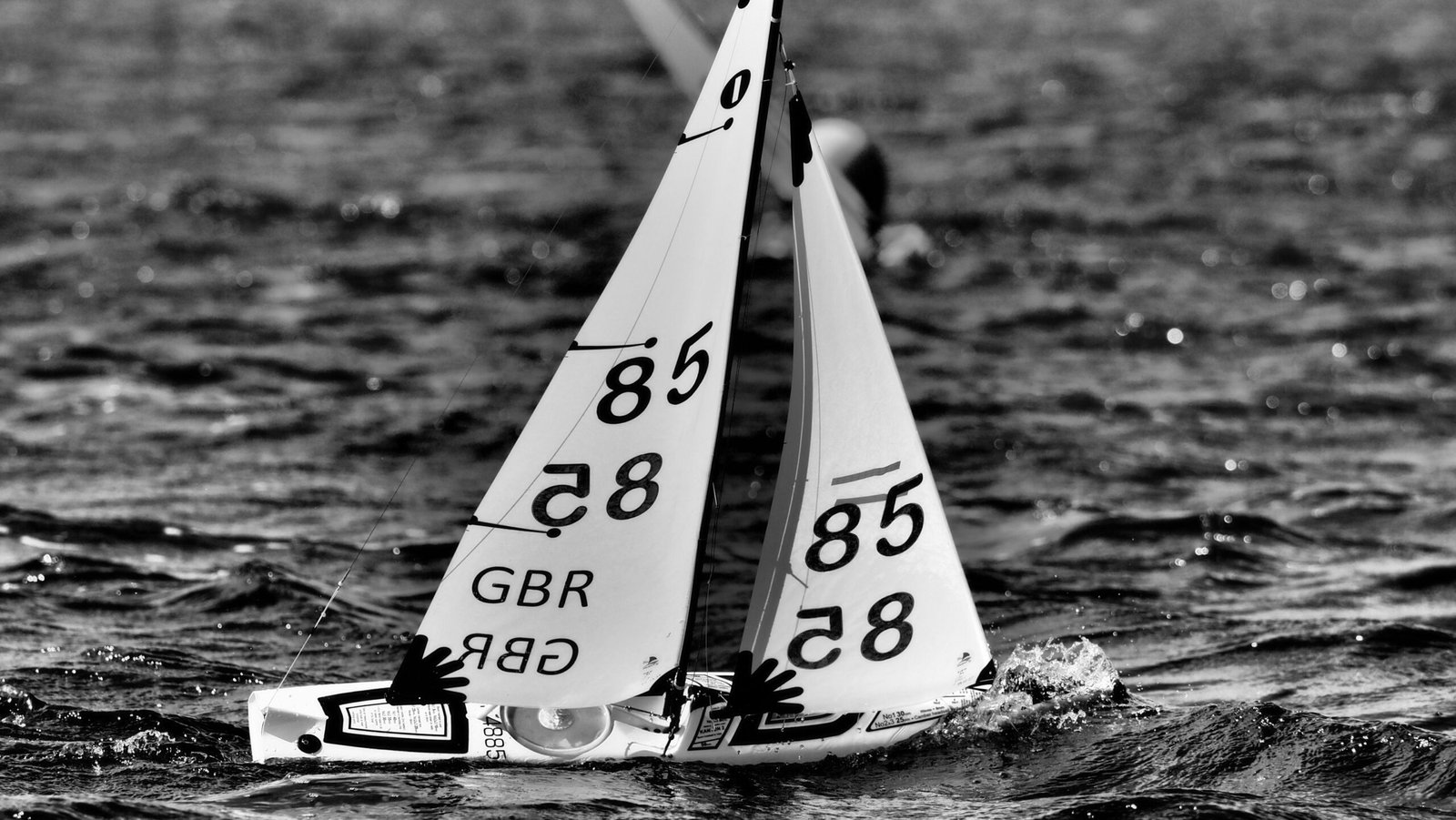
A barca radio control boat can turn an ordinary afternoon by the water into an exciting hobby. Whether you want to race across a pond, explore a swimming pool, enjoy a realistic model boat, or deliver fishing bait to a specific spot, there is an RC boat designed for different interests and skill levels.
The term “barca radio control” is associated with radio-controlled boats, often called RC boats. These miniature vessels use a handheld transmitter to control their direction and movement. Depending on the model, they may feature electric motors, rechargeable batteries, steering systems, navigation lights, or specialised equipment for fishing.
Choosing the right boat involves more than finding an attractive design or the highest advertised speed. Size, battery life, radio range, water conditions, durability, and maintenance all affect how enjoyable the experience will be.
If you are buying your first model or upgrading an existing one, understanding these differences can help you avoid unnecessary expenses. This guide explains the main types of RC boats, the features worth comparing, and the practical steps that make operating and maintaining a radio-controlled boat easier.
What Is a Barca Radio Control Boat?
A barca radio control boat is a miniature boat operated remotely using a radio transmitter. The transmitter sends commands to a receiver inside the boat, allowing the operator to control functions such as steering and speed.
Most recreational RC boats use electric power. A battery supplies energy to a motor, which turns a propeller or powers another propulsion system. The steering mechanism directs the boat through the water. Depending on the design, some models use a rudder, while others steer by adjusting the thrust produced by their motors.
The basic controls are usually straightforward. A trigger or stick controls acceleration, while another control changes direction. More advanced transmitters may offer adjustable settings, additional channels, or options for fine-tuning how the boat responds.
RC boats come in different sizes and designs. Small toy boats are often intended for pools and calm water, while larger hobby-grade models may offer stronger motors, more precise steering, and replaceable components. Specialised fishing boats can carry bait and release it at a chosen location.
It is worth distinguishing a toy-grade boat from a hobby-grade model. Toy-grade products often prioritise simplicity and convenience. Hobby-grade boats may provide greater opportunities for repairs, upgrades, and customisation, although they can require more technical knowledge.
The best choice depends on how you intend to use the boat. A child looking for casual water play has different needs from an enthusiast interested in speed, realistic boat modelling, or fishing.
Different Types of Radio-Controlled Boats
Understanding the main types of RC boats is the first step toward finding a model that matches your interests. Although many boats share similar controls, their hulls, motors, and intended uses can differ significantly.
RC speedboats
Speedboats are designed for fast movement and responsive handling. Their streamlined hulls help them move efficiently through the water, making them popular with enthusiasts who enjoy racing and quick turns.
Electric speedboats are a common starting point because they are relatively convenient to operate. However, faster boats can be more demanding to control and may need larger areas of open water. Beginners should choose a manageable model before moving to more powerful equipment.
RC toy boats
Toy boats generally focus on straightforward operation, appealing designs, and ease of use. Some resemble police boats, yachts, rescue vessels, or other familiar craft.
These models can be suitable for family activities and casual use in appropriate pools or calm-water locations. Before buying, check the recommended age, battery requirements, and whether the product is intended for use in water deep enough to recover it safely.
RC fishing boats
Radio-controlled fishing boats, also known as bait boats, are designed to carry bait to a selected location. Depending on the model, they may include bait compartments, release mechanisms, navigation lights, and systems for monitoring battery status.
Their purpose is different from that of a racing boat. Instead of prioritising speed, they focus on controlled movement, useful carrying capacity, and reliable navigation. Some models advertise substantial operating ranges, but real-world performance depends on the environment, battery condition, and radio system.
RC sailboats
Radio-controlled sailboats use sails to harness the wind rather than relying entirely on a motor. The operator adjusts the rudder and sail controls to navigate.
These boats appeal to people who enjoy strategy, sailing techniques, and realistic model boating. Wind direction and strength play an important role, so learning to operate a sailboat can be a different experience from driving an electric speedboat.
Scale model boats
Scale models reproduce the appearance of real vessels, including yachts, ships, rescue boats, and historical craft. Some are designed primarily for display, while others are fully functional RC models.
For buyers who value realistic details as much as performance, these models can be especially rewarding. However, delicate features and complex construction may require more careful handling and maintenance.
How to Choose the Right RC Boat
The right barca radio control model should suit your experience, intended location, and budget. Comparing a few practical details before buying can help you avoid paying for features you will rarely use.
Start by deciding where you plan to operate the boat. A small pool has very different requirements from a large lake. Compact models can be easier to handle in confined spaces, while larger bodies of water may require a boat with better visibility, dependable steering, and sufficient range.
Next, consider your experience. Beginners often benefit from a stable, easy-to-control model with straightforward controls and readily available replacement parts. A powerful racing boat may look appealing, but speed is not always the best starting point.
Pay attention to the hull design as well. A boat’s shape influences how it moves through the water and how it responds to waves. Some designs are optimised for speed, while others emphasise stability, carrying capacity, or realistic appearance.
Build quality is another important factor. Examine the hull, propeller, steering components, battery compartment, and seals. A robust design can make a difference when the boat is used regularly. Waterproofing is particularly important around electrical components, although no model should be assumed completely waterproof unless its manufacturer specifies this.
Before making a purchase, compare the following:
- Size: Make sure the boat fits your intended location and is easy to transport.
- Speed: Choose performance that matches your skill level and available space.
- Battery life: Check the manufacturer’s stated runtime and charging requirements.
- Control range: Look for a suitable operating distance, while remembering that actual range varies.
- Replacement parts: Find out whether batteries, propellers, and other components are available.
- Included accessories: Confirm whether the package contains the transmitter, battery, charger, and any required additional items.
- Support and warranty: Review the seller’s return policy and the manufacturer’s support options.
Product descriptions sometimes emphasise maximum speed or radio range while giving less attention to durability and maintenance. Read the full specifications and look for credible reviews that describe real use.
A balanced boat that is easy to maintain may provide more enjoyment over time than a faster model with expensive or difficult-to-find parts.
Battery Life, Speed, and Remote Control Range
Battery performance, speed, and control range are three of the most important specifications to understand when comparing RC boats. They influence how long you can use the boat, where you can operate it, and how much control you have.
Battery life
Most electric RC boats use rechargeable batteries. Depending on the model, the battery chemistry and capacity can differ, and those differences affect charging time, runtime, weight, and performance.
Manufacturers may quote a maximum operating time under particular conditions. Actual runtime can be shorter when the boat operates at high speed, carries additional weight, or encounters challenging water conditions.
If longer sessions matter to you, consider whether compatible spare batteries are available. Always use the recommended battery type and charger, and follow the manufacturer’s charging and storage instructions. Do not charge damaged batteries or leave charging equipment unattended if the instructions advise against it.
Speed
Speed specifications are often expressed in kilometres per hour or miles per hour. A higher number may sound impressive, but speed alone does not determine whether a boat is enjoyable to operate.
Steering response, stability, acceleration, and the available water space are equally important. A slower model can be more suitable for beginners, especially when learning to judge distance and turn smoothly.
If you plan to race, check whether the model is designed for that purpose and whether suitable replacement parts are available.
Remote control range
Radio range describes how far the transmitter may communicate with the boat under specified conditions. It is not a guarantee that the boat will remain controllable at the maximum advertised distance in every environment.
Obstacles, interference, antenna placement, battery condition, and local conditions can affect communication. A boat that moves beyond reliable control can be difficult or impossible to recover.
Choose a model with a practical range for your intended location, and keep it within a distance where you can clearly observe its direction and movement. A return-to-home feature, where available, can be helpful, but it should not replace careful operation.
Tips for Operating Your RC Boat Safely
Operating a radio-controlled boat is generally straightforward, but a little preparation can prevent common problems and make each session more enjoyable.
First, choose an appropriate location. A calm pond or designated model boating area is usually easier for beginners than water with strong currents, heavy boat traffic, or large waves. Check local rules before using a public lake, reservoir, swimming pool, or protected natural area.
Inspect the boat before launching it. Check the hull for damage, ensure the battery is properly secured, and look for loose wires or damaged propellers. Confirm that the transmitter and receiver are working according to the manufacturer’s instructions.
A useful habit is to test the controls before putting the boat into the water. Confirm that steering and throttle respond as expected, and check the battery charge. Follow the manufacturer’s recommended power-up and shutdown sequence.
Start slowly when operating an unfamiliar model. Practise gentle turns and gradual acceleration in an open area. Learn how quickly the boat responds before attempting tight manoeuvres or higher speeds.
Keep the boat away from swimmers, wildlife, and other water users. Never operate it where it could interfere with real vessels or create a hazard. Children should be supervised by a responsible adult, particularly around deep water.
Weather also matters. Strong winds can push small boats away from the launch point, while rain and rough water may make operation more difficult. Follow the model’s stated operating limits and avoid conditions that exceed your experience.
Finally, have a recovery plan. Know how you will retrieve the boat if it stops responding or runs low on power. Avoid entering deep or fast-moving water to recover a model. If you cannot retrieve it safely from shore, seek an appropriate recovery method.
Responsible operation protects the boat, other people, and the environment.
Maintenance and Care for a Radio-Controlled Boat
Regular maintenance helps an RC boat remain reliable and reduces the likelihood of preventable damage. Even models designed for water use need proper care after each session.
Begin by following the manufacturer’s cleaning instructions. After using the boat, inspect the hull and remove dirt, grass, or debris. If the instructions recommend rinsing components after use, follow the specified method and make sure the boat is dried properly before storage.
Check the propeller and steering system for tangled weeds, fishing line, or other obstructions. Remove the battery before inspecting moving parts, and never handle a propeller while the system is powered.
Pay attention to seals and the battery compartment. Water entering the electronics can cause malfunction or permanent damage. If you notice water inside the hull, stop using the boat until you have identified the source and addressed the problem according to the manufacturer’s guidance.
Battery care is equally important. Use only compatible chargers, avoid charging batteries that appear swollen or damaged, and store them under the conditions recommended by the manufacturer. Remove the battery before long-term storage if the manual advises doing so.
It is also sensible to inspect the transmitter and its batteries. Weak transmitter power can affect control, while damaged controls or antennas may lead to unreliable operation.
Store the boat in a dry place away from excessive heat and direct sunlight. Keep small accessories together so they are easy to find before the next session.
If the boat starts moving unevenly, makes unusual noises, or responds inconsistently, investigate the problem before continuing. A blocked propeller, low battery, loose connection, or damaged component may be responsible.
For hobby-grade models, learn which parts are intended to be user-serviceable and which repairs require professional help. Keeping a few compatible replacement parts can reduce downtime, particularly if you use the boat frequently.
Frequently Asked Questions About Barca Radio Control Boats
What does barca radio control mean?
The phrase refers to a radio-controlled boat, or RC boat. It is a small vessel operated using a handheld transmitter that sends commands to a receiver inside the boat.
Which RC boat is best for beginners?
A stable electric boat with simple controls, clear instructions, and accessible replacement parts is often a good starting point. Choose a model suited to the water where you plan to use it rather than selecting one based only on maximum speed.
Can I use a radio-controlled boat in a swimming pool?
Some small RC boats are designed for pools, but not every model is appropriate. Check the manufacturer’s instructions and ensure the boat can be operated safely without damaging the pool or interfering with swimmers.
How long does an RC boat battery last?
Runtime varies by model, battery capacity, speed, water conditions, and operating style. Check the manufacturer’s estimate and remember that sustained high-speed operation may reduce runtime.
Are RC fishing boats different from speedboats?
Yes. Fishing boats are designed to carry and release bait or perform other fishing-related tasks. Speedboats prioritise acceleration and fast movement. Their hulls, controls, carrying capacity, and operating features can be quite different.
How far can a remote-controlled boat travel?
The advertised radio range depends on the model and its control system. Real-world range can be affected by interference, obstacles, antenna placement, and battery condition. Keep the boat within a distance where you can monitor it and recover it safely.
Do RC boats require regular maintenance?
Yes. Inspecting the hull, cleaning debris, checking the propeller, caring for the battery, and ensuring the electronics remain dry can help extend the boat’s useful life.
Find the Best Barca Radio Control Boat for Your Needs
A radio-controlled boat can be a rewarding hobby for children, families, model enthusiasts, and experienced operators. From simple electric toy boats to high-speed racing models, realistic scale vessels, and specialised bait boats, there are options for different budgets and interests.
The best purchase is the one that matches your actual needs. Consider where you will use the boat, how much control experience you have, the expected battery runtime, the availability of replacement parts, and the amount of maintenance you are comfortable performing.
Do not overlook practical details in favour of impressive advertising claims. A reliable radio system, a well-designed hull, suitable battery performance, and clear manufacturer instructions can matter more than top speed alone.
Before launching, inspect the boat, test the controls, check local rules, and choose conditions that suit your experience. After each session, clean and inspect the model and store its battery according to the manufacturer’s recommendations.
With a little research and responsible use, choosing a barca radio control boat becomes much easier. Start with a model that suits your skill level, learn its controls gradually, and enjoy exploring the world of RC boating.


Leave a Reply