
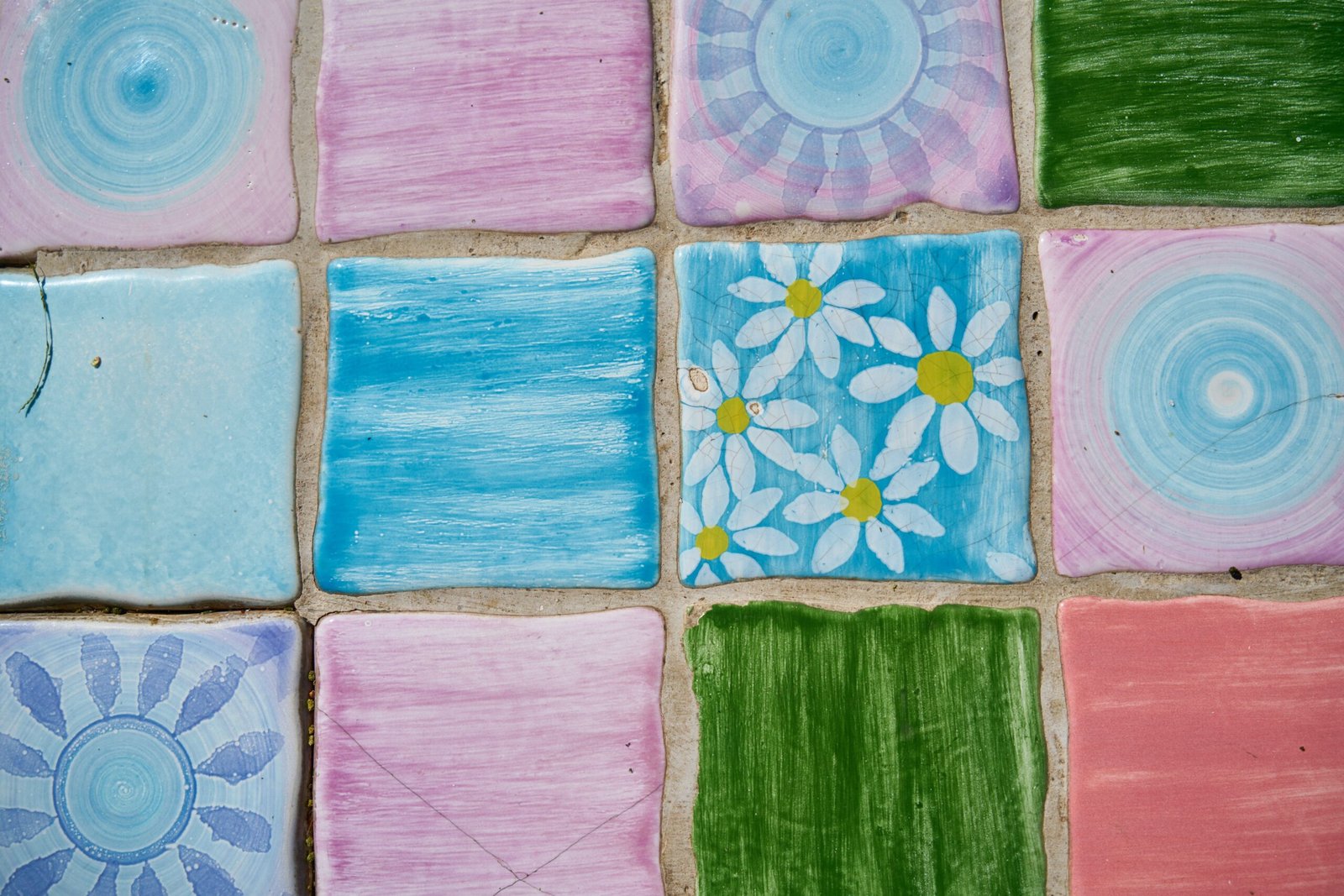
Color tiles can mean different things depending on what you are searching for. For some people, the phrase refers to an online puzzle game that challenges players to recognize colors, match patterns, and make quick decisions. For others, color tiles are decorative pieces used in kitchens, bathrooms, floors, walls, and creative projects. Both uses share one important feature: color helps people recognize patterns, organize information, and create visually appealing results.
If you are searching for color tiles online, you may want to understand a particular game, improve your puzzle-solving skills, or find ideas for incorporating colorful tiles into your home. Knowing which meaning applies to your search can help you find the most useful information.
This guide explores both interpretations. You will learn what color tiles are, how color-based puzzle games generally work, which strategies can help players, and how to select attractive tile colors for interior spaces. Whether you enjoy digital puzzles or want to refresh a room, understanding how colors work together can help you make better choices.
What Are Color Tiles?
Color tiles are small squares, rectangles, or other shaped pieces distinguished by their colors. They appear in digital games, educational activities, interior design, mosaics, crafts, and many other applications.
In a digital puzzle, each tile may represent a color that players need to identify, match, arrange, or connect. The rules depend on the particular game. Some games ask players to find matching colors, while others involve remembering patterns, clearing groups, or completing a board within a limited number of moves.
In interior design, color tiles are physical materials used to cover surfaces or create decorative patterns. Ceramic, porcelain, glass, and natural stone tiles are available in a wide range of colors and finishes. Designers use them to introduce contrast, define different areas, and establish a particular atmosphere.
The phrase can also describe colored squares in a digital interface. For example, word games often use colored tiles to indicate whether a guessed letter is correct, present in the answer, or absent. In these games, color communicates information rather than serving as decoration alone.
Although these applications are different, they rely on the same basic principle: color makes visual differences easier to notice. A well-designed puzzle uses color to help players understand the board, while a thoughtfully planned room uses color to create balance and character.
When researching color tiles, check the context of the website or search result. A gaming website will be more relevant if you want to play a puzzle, while a tile retailer or interior design resource will be more useful if you are planning a renovation.
How Do Color Tiles Games Work?
A color tiles game is generally a visual puzzle in which players interact with colored pieces according to a set of rules. The exact objective varies by title, so there is no single set of instructions that applies to every game called Color Tiles.
Some versions focus on matching identical colors. Players may need to select groups of matching pieces, arrange tiles into a particular order, or remove tiles from a board. Other versions emphasize memory, requiring players to remember a color sequence and reproduce it correctly.
A typical color-based puzzle may include several common elements:
- A game board: A grid or collection of tiles that forms the main playing area.
- Distinct colors: Each tile has a visual identity that helps players recognize similarities and differences.
- An objective: The player may need to match pieces, clear the board, recreate a pattern, or reach a target score.
- Rules for each move: The game explains which tiles can be selected, moved, connected, or removed.
- Progress feedback: A score, counter, animation, or completion message shows how the player is progressing.
- Increasing difficulty: Some games introduce additional colors, more complicated patterns, or stricter move limits as players advance.
Before starting, read the instructions displayed by the game. Do not assume that a game uses the same rules as another title with a similar name. One version may reward speed, while another may require careful planning.
If the game includes a timer, it can help to practice recognizing colors and patterns without rushing at first. Once you understand the rules, you can gradually improve your speed.
If there is no timer, focus on identifying the objective and considering the consequences of each move. A little planning may prevent you from making a choice that leaves the board more difficult to solve.
Best Strategies for Solving Color Tiles Puzzles
Color-based puzzles often look simple because their pieces are easy to recognize. However, a larger board or a strict set of rules can make the task surprisingly challenging. A systematic approach can help you avoid unnecessary moves and recognize useful patterns.
Scan the entire board first. Before making your first move, look across the board rather than focusing only on the nearest tile. This can help you spot matching colors, repeated sequences, empty spaces, and possible combinations.
Understand the objective. Identify exactly what counts as success. A game that asks you to clear matching groups may require a different strategy from one that asks you to reproduce a specific sequence. Following the wrong approach wastes time.
Look for obvious matches. If the rules allow matching or clearing identical colors, begin by identifying combinations that clearly satisfy the objective. Avoid assuming that adjacent tiles must match unless the game says so.
Think about the next move. In games that change the board after every selection, consider how your action will affect the remaining tiles. Removing one group might create a useful combination, but it could also separate other pieces or reduce your options.
Use hints carefully. If the game offers a hint system, use it when you are genuinely stuck. Try to understand why the suggested move works rather than simply following it. Recognizing the underlying pattern can help you solve later puzzles independently.
Practice pattern recognition. Regular play can help you become more familiar with the game’s visual structure and rules. Instead of clicking randomly, look for repeated arrangements and learn which board features tend to matter.
Manage your time. For timed games, balance accuracy with speed. A quick but incorrect move may cost more than taking a brief moment to confirm your choice. For untimed games, give yourself room to consider alternative solutions.
The most effective strategy depends on the specific game. Some puzzles reward fast reactions, while others are designed around memory or logical planning. Learning the rules is more valuable than relying on a general trick that may not apply.
Why Color Matters in Games and Digital Design
Color does much more than make a game look attractive. It can communicate information, direct attention, distinguish objects, and help players understand what is happening on the screen.
In a matching puzzle, identical colors can indicate which pieces belong together. A highlighted tile may show the player’s current selection, while a different visual treatment may indicate a completed move. When these signals remain consistent, the game becomes easier to understand.
Color also influences the visual mood of a game. Bright, saturated colors may create an energetic and playful impression, while muted shades can produce a calmer appearance. The effect depends on the overall palette, contrast, background, and style of the interface.
However, a good design should not rely on color alone. Players may have different forms of color vision, and some screens or lighting conditions can make similar shades difficult to distinguish. Designers can improve accessibility by combining color with shapes, symbols, text labels, patterns, or clear outlines.
For example, a puzzle could use a red circle and a blue triangle instead of relying only on red and blue squares. If a player has difficulty distinguishing the colors, the shapes provide another way to identify the pieces.
Contrast is equally important. Tiles should be easy to distinguish from their background, and selected or completed states should remain visible. Too many competing colors can make a board confusing, while insufficient contrast can make individual pieces difficult to identify.
These principles are useful beyond games. Websites, mobile applications, dashboards, and educational tools also use color to organize information. Consistent and accessible color choices can make digital experiences easier to navigate.
Color Tiles for Home Design and Decoration
Color tiles are also a popular design element in residential and commercial spaces. They can be used on floors, walls, kitchen backsplashes, shower surrounds, fireplaces, and decorative feature areas. The right combination can make a room feel brighter, warmer, more spacious, or more visually distinctive.
White and cream tiles: Light neutral colors create a clean, understated appearance. They can work well in bathrooms, kitchens, and smaller rooms. However, the amount of maintenance required depends on the tile surface, grout color, and the way the space is used.
Blue tiles: Blue can create a fresh, calm atmosphere and is often used in bathrooms, coastal-inspired interiors, and decorative wall designs. Pale blue tends to feel softer, while deeper shades can create a stronger focal point.
Green tiles: Sage, olive, and other green shades can complement natural materials such as wood and stone. Green can be used in small accent areas or across larger surfaces, depending on the desired effect.
Black and charcoal tiles: Dark tiles can add contrast and visual depth. They may look particularly striking alongside light cabinetry or metallic fixtures. Consider the room’s lighting and maintenance needs before using very dark tiles across a large area.
Terracotta and warm beige tiles: Earthy shades can create a welcoming appearance and work well with wood, natural fabrics, and warm lighting. They are suitable for many traditional, rustic, and contemporary interiors.
Multicolored tiles: Mixing several colors can create a decorative feature, geometric pattern, or mosaic. To prevent a room from looking overcrowded, consider using a varied tile design in one focal area while keeping nearby surfaces simpler.
When selecting tile colors, examine samples in the actual room. Natural daylight, artificial lighting, nearby paint colors, and surrounding materials can change how a tile appears. A shade that looks attractive in a showroom may look different under your kitchen lights.
Also consider the finish and practical requirements of the material. Floor tiles need to suit the intended traffic and slip-resistance requirements, while wall tiles may have different performance needs. Ask a qualified supplier or installer to help you choose products suitable for the specific location.
How to Choose the Right Color Tile Combination
A successful tile scheme begins with the overall room rather than a single attractive sample. Consider the cabinetry, countertops, flooring, fixtures, lighting, and furnishings before deciding on a final palette.
One useful method is to choose a dominant color, a supporting color, and an accent. The dominant shade establishes the overall appearance, the supporting shade creates balance, and the accent introduces visual interest. The proportions do not need to follow a strict formula, but limiting the number of competing colors can make a design feel more coordinated.
For example, a kitchen might use warm white tiles as the main surface, light wood cabinetry as the supporting element, and muted green tiles behind the cooking area as an accent. A bathroom might combine pale grey tiles with white fixtures and a darker border for contrast.
Grout color is another important decision. Matching grout can create a more continuous surface, while contrasting grout makes the individual tile shapes more visible. The best choice depends on the design and the level of maintenance you are comfortable with.
Tile size and layout also affect the result. Small tiles can create detailed patterns, while larger tiles often produce a more continuous appearance. Rectangular tiles can be installed in different patterns, and geometric layouts can make a simple color palette more interesting.
Before buying materials, calculate the surface area and ask the supplier or installer how much extra material is appropriate for cuts, breakage, and future repairs. Check product specifications and installation guidance rather than estimating the quantity from appearance alone.
Finally, view samples together. A tile that looks attractive by itself may not coordinate with the other materials in the room. Testing the complete combination helps you make a more confident decision.
Frequently Asked Questions About Color Tiles
What are color tiles used for?
Color tiles are used in digital puzzles, educational activities, home decoration, flooring, wall coverings, and creative projects. In games, they can represent pieces that players match or arrange. In interiors, they provide color, texture, and decorative patterns.
How do you play a color tiles game?
The rules depend on the specific game. Some versions require players to match identical colors, while others involve memory, arranging patterns, or clearing a board. Read the instructions displayed by the game before making your first move.
Are color tiles games suitable for beginners?
Many simple color-based puzzles are suitable for beginners because their visual rules are relatively easy to understand. More challenging versions may require planning, memory, or quick reactions. Start with the basic instructions and progress at your own pace.
Which colors are best for bathroom tiles?
White, cream, beige, grey, blue, and green are all common choices. The best option depends on the room’s lighting, fixtures, preferred style, and maintenance requirements. Testing samples in the bathroom can help you select a suitable shade.
How can I get better at color tile puzzles?
Learn the rules, scan the board before moving, look for patterns, and consider how each move affects the remaining pieces. Practice can improve familiarity with the game, but the most effective strategy depends on its particular mechanics.
Do colored tiles make a room look smaller?
Not necessarily. The effect depends on tile size, color, pattern, lighting, and the surrounding design. Light colors can create an open impression, while dark colors and bold patterns may make a stronger visual statement. Either approach can work when planned carefully.
How do I make color tiles easier to distinguish in a game?
Look for strong contrast and consistent visual signals. Games can improve accessibility by pairing colors with shapes, symbols, labels, or patterns. If the game provides accessibility settings, check whether it offers alternative palettes or other visual options.
Final Thoughts on Color Tiles
Color tiles bring together visual creativity, pattern recognition, and practical design. In digital games, colored pieces can create puzzles that challenge players to recognize matches, remember sequences, and plan their next moves. In homes and commercial spaces, colored tiles can transform plain surfaces into coordinated interiors or striking decorative features.
If your interest is gaming, start by identifying the exact title and learning its rules. Scan the board, recognize patterns, and choose moves based on the game’s objective rather than clicking randomly.
If you are choosing physical tiles, think about the entire room, test samples under realistic lighting, and consider durability and maintenance alongside appearance. A thoughtful combination of colors, materials, and grout can help create a space that looks attractive and works well for everyday life.
Ultimately, the best use of color tiles depends on what you want to achieve. Whether you are solving a puzzle or planning a renovation, understanding how colors interact can help you make clearer decisions and get more from your project.


Leave a Reply